
Explore the Supply Chain Planning Process, its key steps, challenges, and benefits. Learn how SAP solutions improve demand planning, inventory, and efficiency.
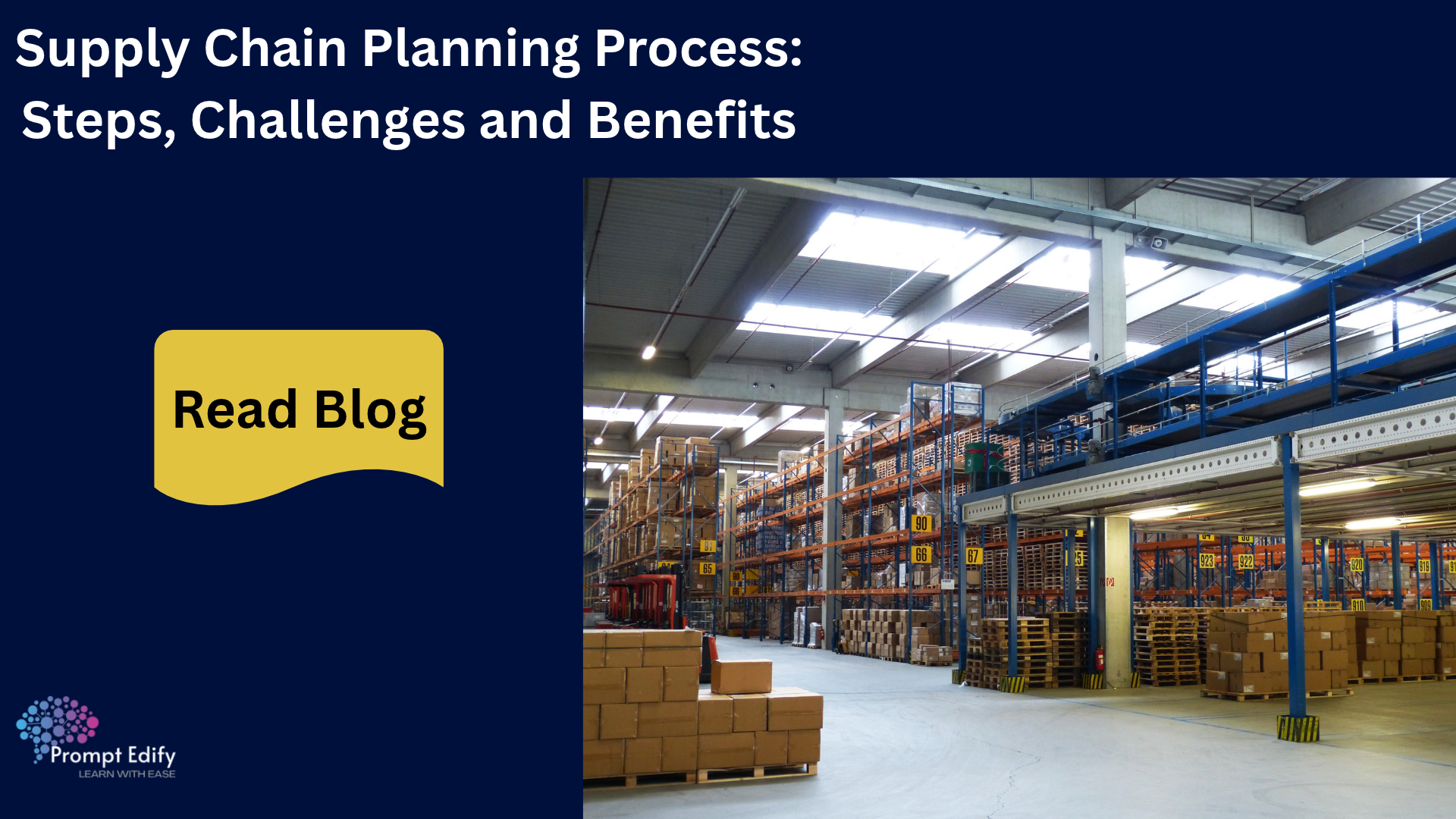
There are various processes associated with managing the supply chain, which include demand forecasting, purchasing raw materials, manufacturing, stock keeping, and product delivery. The absence of appropriate planning may lead to shortage of materials, surplus stock, delay in production process, and higher expenses of operation.
The process of Supply Chain Planning assists companies in organizing those processes in order to ensure that their products are available timely, in the appropriate quantities, and locations. It allows coordination between different departments of the company and effective decision-making due to reliable data and planning.
This blog post will provide insight into the stages of the supply chain planning process, the problems associated with it, and its advantages.
Supply Chain Planning Process is described as the process that companies follow to predict customer needs, plan their supply needs, manage their inventories, schedule production, and arrange the distribution of their products.
It allows the companies to reconcile their customer demands with the available resources through this process. It also helps the companies to save money and become more efficient.
This process also increases the level of coordination within the company.
There are some inter-related processes involved in Supply Chain Planning.
The first process in the supply chain planning process is demand forecasting. This process involves predicting the demands of the customers in future based on past sales trends, market trends, customer behavior, and seasonality.
Demand forecasting helps firms forecast the quantity of product that the customer will require in future. It will help firms plan for the required resources.
After demand forecasting, firms need to find the ways through which they can meet these demands using the resources available. Supply planning involves the considerations of supplier availability, production capabilities, material requirement, lead time, and inventories.
Inventory planning means that an organization has the appropriate quantity of inventory in respect of raw materials, goods in process, and finished goods.
An organization must have enough inventory to satisfy the needs of the customers without having too much inventory.
This planning will be able to prevent shortage of goods, reduce cost of holding inventory, and improve material availability.
Production planning is related to the management of manufacturing activities of the organizations in anticipation of future demand.
This includes production capacity, labor, machinery, raw material, and manufacturing plan.
After production, goods need to be transported to warehouses, distribution centers, retailers or customers.
The distribution and logistics planning involves transportation, delivery schedule, needs for warehouses, and shipping. It helps to timely transport products and control the expenses associated with it.
It is not the end of supply chain planning after the development of such a plan by an organization. The organization will need to monitor its performance and compare it with the plan.
Due to changes in customer demand, suppliers’ delays, shipping problems, etc., the plan might need some adjustments.
However, as much as the process of supply chain planning is associated with many benefits for the organization, there are many problems that might be encountered during the process.
Proper data and good planning can help to overcome these problems.
Some of the strengths of an efficient Supply Chain Planning Process include:
This will ensure that firms balance their customers' demands with supply of materials, production capacity, and supply capabilities.
Efficient planning ensures proper inventory management since there will be no surplus or shortage of materials.
Through effective planning, it is possible to reduce costs of purchasing and producing goods as well as unnecessary storage and transportation costs.
Customers will be satisfied by the timely supply of their products.
Planning information helps managers make decisions on the needs of their organization, risk and make decisions on their operations.
The capacity to track and adjust plans will help organizations adapt to the changes in demand, supplier and other unforeseeable changes.
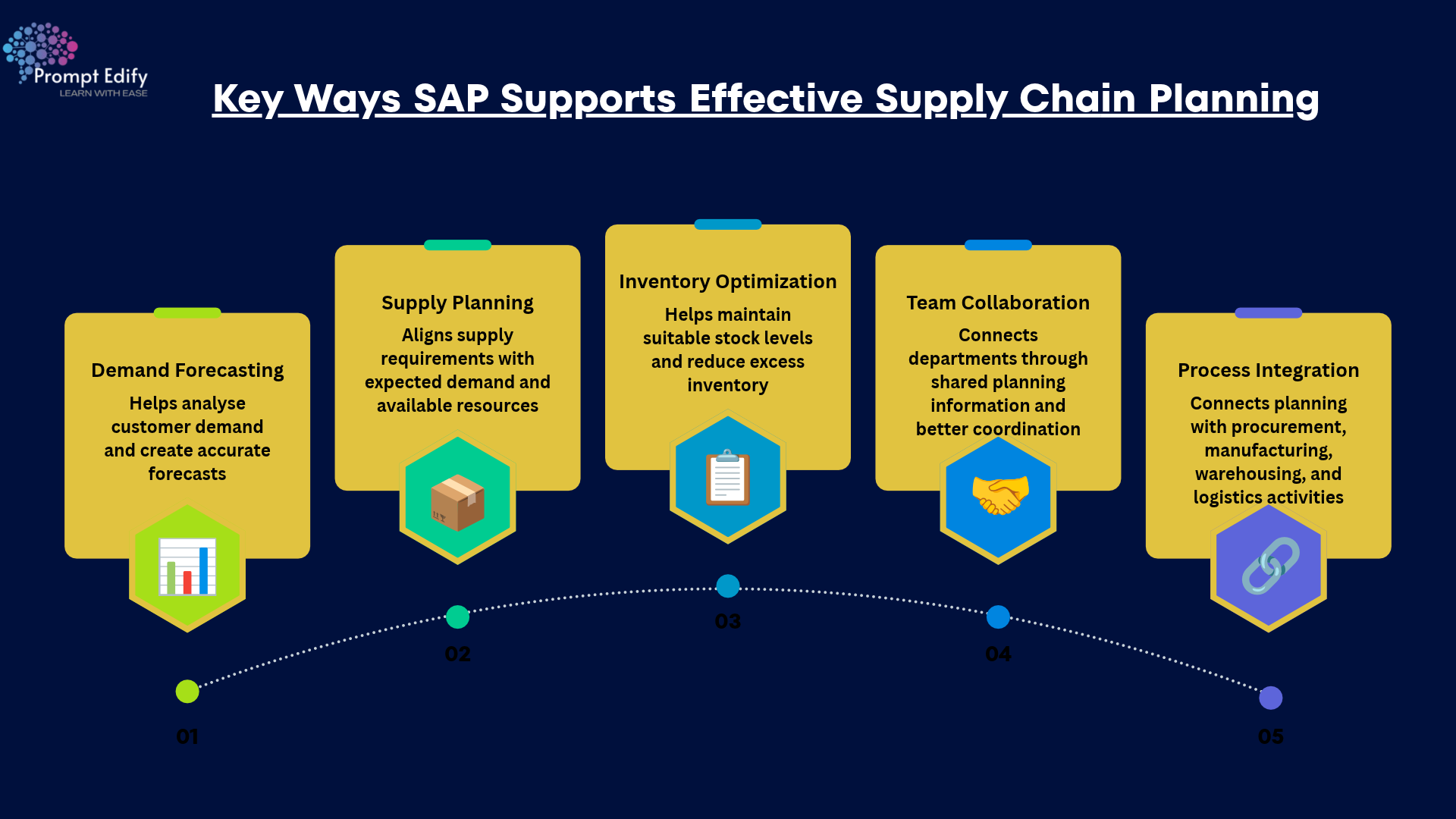
There are SAP solutions that help organizations manage many different areas of supply chain planning. SAP Integrated Business Planning (SAP IBP) helps manage the planning process of demand planning, supply planning, inventory optimization and sales and operations planning (S&OP).
Organizations can use SAP IBP to perform demand forecasting analysis, plan supplies in relation to the needs, analyze inventories and consider planning scenarios. SAP IBP also provides for interdepartmental collaboration by planning information.
There could be an opportunity to link planning activities with processes related to the execution of planning activities such as procurement, manufacturing, warehousing and logistics.
SAP solutions will be selected based on business requirements and requirements, the existing systems and the needs related to their implementation.
The Supply Chain Planning Process enables organizations to plan the demand forecast, supply planning, inventory, manufacturing and distribution. Through planning these activities, organizations can assure that their products are available, costs are controlled and they can respond effectively to changes in the market needs.
Some challenges such as inaccurate forecasts, delayed deliveries from suppliers and lack of visibility of information may affect the planning activities. But through proper planning and appropriate technology organizations can overcome these challenges.
To acquire practical understanding about SAP solutions for supply chain and planning process, you may contact Prompt Edify.
By Team Prompt Edify
Have any enquiry? Call us
+(27) 740294414
(+91) 99932-86938
wecare@promptedify.com


Prompt Edify Africa (PTY) Limited
2nd Floor, Rivonia VillageCnr Mutual Road and Rivonia Boulevard Rivonia Village, 2191
Johannesburg , South Africa
Contact : +27740294414
Prompt Edify East Africa Limited
KN 78 ST, Kagarama, Kigali, Kigali, Nyarugenge, Umujyi wa Kigali, Rwanda
Contact : +250 727 845 771
Prompt Edify Private Limited
4th Floor #15, City Vista Tower, Fountain Road,
Kharadi, Pune(MH), India.
PIN- 411014
Contact : (+91) 99932 86938



Contact Us Today!
+27740294414 | (+91) 99932 86938 | +250 727 845 771
contact@promptedify.com | wecare@promptedify.com
🌐 https://promptedify.co.za/