
Businesses in Angola must migrate from SAP ECC to S/4HANA before the 2027 deadline to stay competitive. This guide covers migration strategy, benefits, and key steps for a successful ERP transformation.
With companies in Luanda rapidly upgrading their processes, pressure is building for them to implement more sophisticated enterprise solutions. One of the key reasons for this transition is the SAP-imposed global deadline for mainstream support for SAP ECC (2027). As a result, many businesses throughout Angola are reassessing their ERP strategies and moving toward SAP S/4HANA Migration.
The announcement from SAP officially stating that the end of mainstream maintenance for SAP ECC 6.0 EHP 6-8 will occur on 31st December 2027 means that companies must either pay for expensive extended maintenance or remain on legacy systems without regular updates, security patches, and compliance support services related to ECC to S/4HANA.
For businesses in Luanda, this is not simply about upgrading technology; it’s about making a strategic decision. By continuing to use legacy systems, they are subjecting their organisation to increased risk: cybercrime risk, increasing operational costs & limited exposure to innovation. In addition, any future innovations (such as AI & advanced analytics) created by SAP will only be available within the S4/HANA environment supported through a strong SAP S/4HANA Migration Strategy.
Therefore, migrating from ECC to the S4/HANA environment is an urgent priority instead of a longer-term option aligned with SAP On-Premise to Cloud Migration.
The economy of Angola (especially for oil & gas, banking and logistics) is transforming into a data-driven economy as well. Companies in Luanda require organisation-wide automation, scalability, and real-time insights, which are not made available by legacy systems undergoing a legacy system upgrade.
The primary challenges experienced with Legacy systems are:
The upgrade of a Legacy System to SAP S/4 HANA can provide the infrastructure necessary for companies to solve these limitations and meet the requirements of global digital transformation through SAP S/4HANA Migration.
SAP S/4HANA Migration describes the transition from an existing SAP ECC installation to SAP’s next-gen ERP solution, which utilises the HANA in-memory database. This transition is much more than just a technical migration, as it also includes optimising business processes, restructuring data, and modernising the systems that support them.
The most commonly used tool for the migration process is the SAP S/4HANA migration cockpit, which allows organisations to successfully and securely move data to the new S/4HANA system.
Selecting an appropriate SAP S/4HANA Migration Strategy is key to achieving a successful implementation. Companies in Luanda will be able to choose from three distinct methods of migration when implementing SAP S/4HANA. These include:
Brownfield - this type of approach uses the existing ERP (SAP ECC) environment and converts it to run on SAP S/4HANA; historical data and configuration will remain intact following the conversion. Brownfield implementations can be completed relatively quickly and are typically cost-effective. A brownfield migration is the optimal choice for companies looking to have limited disruption when migrating to the new SAP S/4HANA application.
Greenfield - in the greenfield approach, a completely new system is implemented (no previous or existing SAP ERP system); as part of the implementation, all previous processes and customisations are eliminated, allowing businesses to adopt SAP best practices. Implementing a greenfield system is ideal for companies wanting to achieve full transformation from their previous system (i.e. all aspects of the business/work).
Hybrid - this combination approach uses a mix of both brownfield and greenfield migration methods; only relevant data will be transferred to the new system based on the current business process; the benefit of this approach is maximum flexibility and innovation compared to the other two migration strategies aligned with ECC to S/4HANA.
The migration strategy you choose to implement will depend upon your organisation's objectives, the complexity of your systems and available resources.
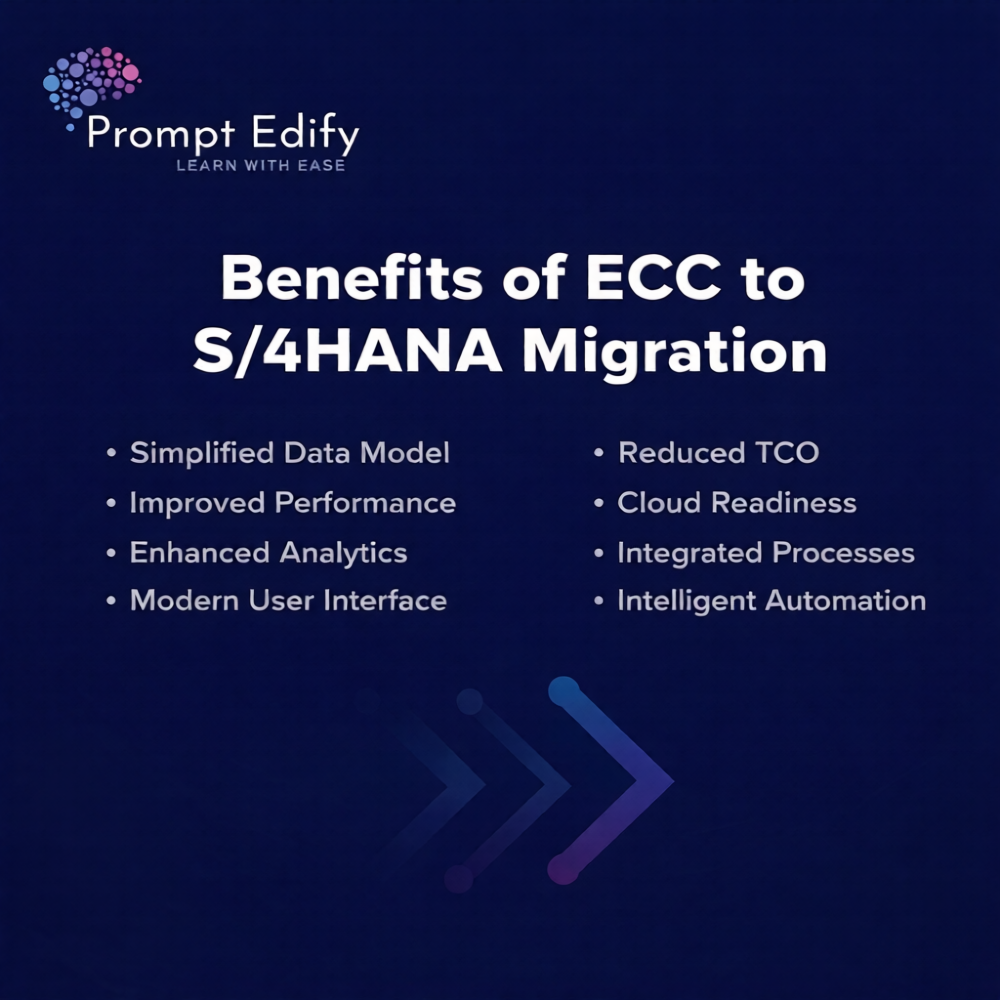
Organisations in Angola can benefit from moving to S/4HANA by leveraging SAP S/4HANA Migration:
SAP migration is not only a complicated process, but it requires that the necessary steps be taken in order to achieve a successful outcome using tools like the SAP S/4HANA migration cockpit:
If you wait too long to migrate, you can potentially incur extra costs as there are a limited supply of SAP professionals available during peak demand near the date you want to complete your migration with a defined SAP S/4HANA Migration Strategy.
Luanda is evolving into a centre for digital transformation across Central Africa. With more and more foreign investment coming to Luanda and modernisation initiatives underway, corporations are implementing ERP transformation projects through SAP S/4HANA Migration.
Industries like Oil & Gas, Banking & Financial Services, Telecommunications and Retail & Supply Chain are using SAP S/4HANA as they strive to compete in their local markets and globally via SAP On-Premise to Cloud Migration.
The following steps should be taken by Angolan organisations to ensure an orderly migration to SAP S/4HANA aligned with SAP S/4HANA Migration Strategy:
Starting early can help mitigate risks, cost overruns, and business interruptions associated with last-minute actions related to ECC to S/4HANA.
2027 SAP Deadline: A Transition Point for Luanda Companies - All companies in Luanda, as well as throughout Angola, face a major decision point in 2023 regarding their transition from ECC to SAP's S/4HANA on or before the 2027 SAP deadline. Failure to complete your upgrade by the 2027 SAP deadline could have serious implications related to your company's innovation, efficiency, and competitiveness compared to similar companies in your region undergoing SAP S/4HANA Migration.
A successful legacy system upgrade requires not only adherence to SAP's roadmap for system upgrades, but also the completion of such upgrades can provide companies with a multitude of new opportunities associated with continued growth and digital transformation. By leveraging consortia like the SAP S/4HANA migration cockpit as well as determining the best SAP S/4HANA Migration Strategy, you will be able to create a foundation for your company to transition to SAP S/4HANA and remain competitive in the dynamic marketplace.
By Team Prompt Edify
Have any enquiry? Call us
+(27) 740294414
(+91) 99932-86938
wecare@promptedify.com


Prompt Edify Africa (PTY) Limited
2nd Floor, Rivonia VillageCnr Mutual Road and Rivonia Boulevard Rivonia Village, 2191
Johannesburg , South Africa
Contact : +27740294414
Prompt Edify East Africa Limited
KN 78 ST, Kagarama, Kigali, Kigali, Nyarugenge, Umujyi wa Kigali, Rwanda
Contact : +250 727 845 771
Prompt Edify Private Limited
4th Floor #15, City Vista Tower, Fountain Road,
Kharadi, Pune(MH), India.
PIN- 411014
Contact : (+91) 99932 86938



Contact Us Today!
+27740294414 | (+91) 99932 86938 | +250 727 845 771
contact@promptedify.com | wecare@promptedify.com
🌐 https://promptedify.co.za/