
SAP S/4HANA Migration is transforming Djibouti’s port and maritime logistics with real-time insights and automation. It enables efficient operations, better visibility, and a smooth transition from legacy ERP systems.
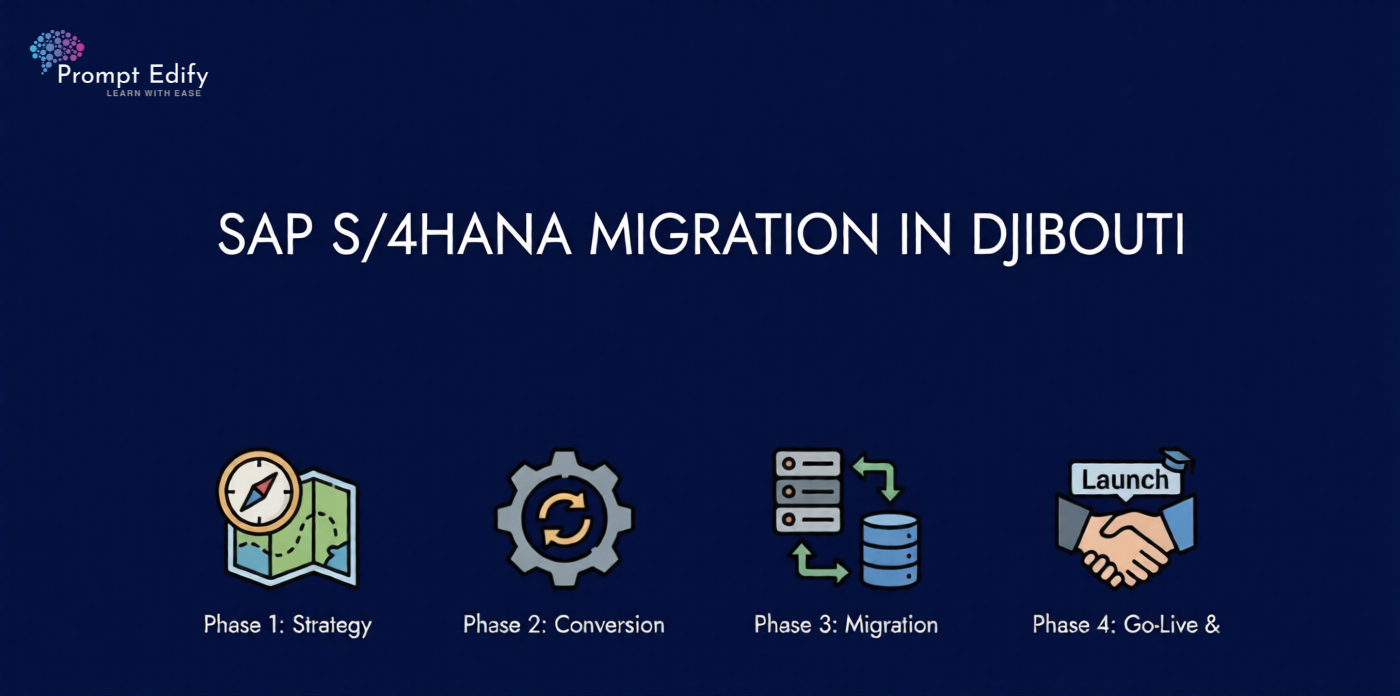
Djibouti has developed into one of the most strategically located ports in Africa because it is situated along one of the busiest global shipping lanes. The Port of Djibouti serves to connect Africa, Europe, and Asia and facilitates cargo movement for regional countries (specifically, landlocked Ethiopia).
When combined with increasing cargo volume and the growth of port infrastructure, the Djibouti port authorities have put significant pressure on port and maritime logistics operators to modernise their IT landscape. As such, SAP S/4HANA Migration is a key milestone and enabler towards providing operational excellence, real-time analytics, and digitalisation.
Maritime logistics are a major contributor to Djibouti's economy by providing a significant amount of revenue, as well as being an important part of regional trade. Unfortunately, as shipping volumes and vessel traffic continue to grow, older ERP systems like SAP ECC will struggle to provide real-time:
To ensure efficient processing of complex maritime operations, I recommend that Djibouti implement a Legacy System Upgrade (SAP S/4HANA) program for all port authorities, freight operators, and logistics providers to modernize their systems.
Transitioning from ECC to S/4HANA represents far more than a simple technical upgrade – it is a Strategic Transformation. Here are the reasons why Djibouti Port’s ecosystem requires this transformation:
Organizations pursuing an SAP S/4HANA Migration Strategy must create tailored planning documents for maritime logistics. Several strategies to use in Djibouti include:
The SAP S/4HANA migration cockpit is a tool that makes it easy to migrate from an old system to SAP S/4HANA by organizing the data that comes from the old system.
Key Points of Benefit:
For port operators who handle a high volume of cargo data, the migration cockpit provides a seamless and efficient transition from their current systems to SAP S/4HANA.
Even though the benefits are significant, organizations in Djibouti will likely experience various difficulties as they migrate:
To successfully migrate to SAP On-Premise to Cloud Migration, organizations must implement the following best practices:
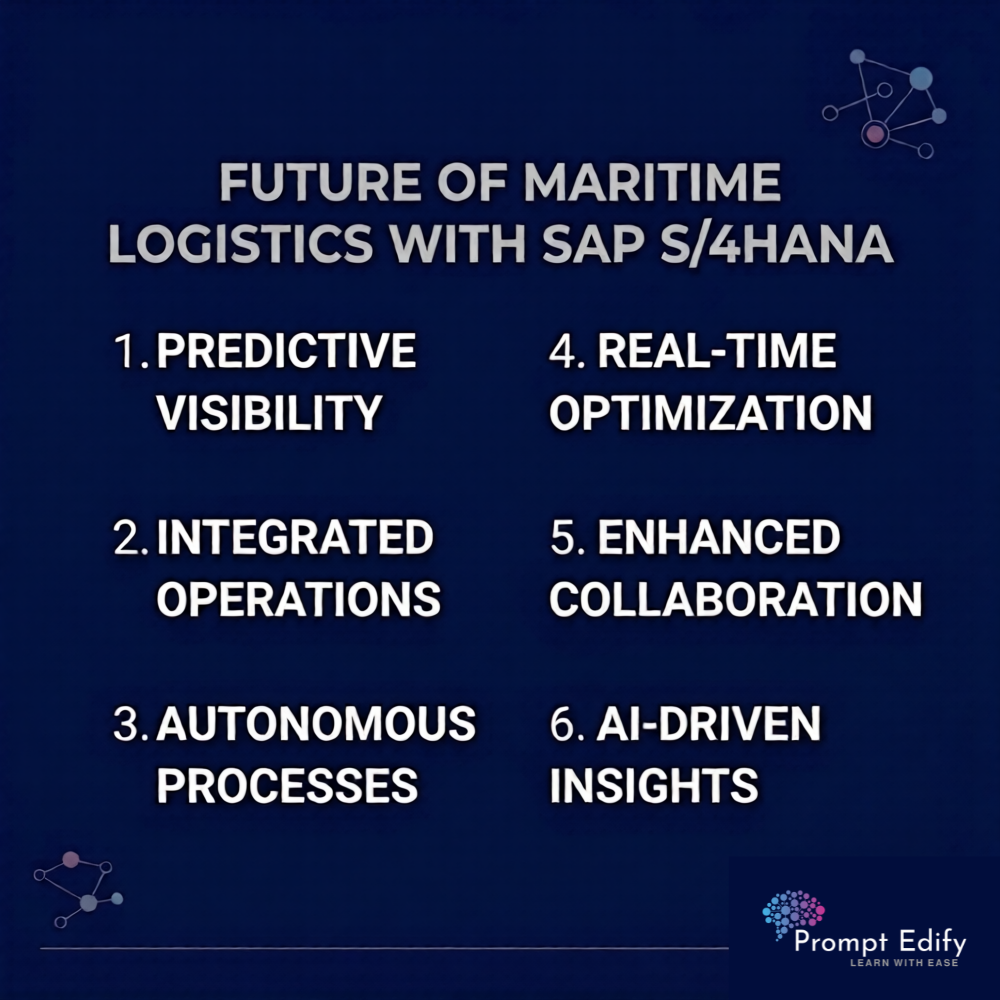
Djibouti’s investment in ports and logistics networks is essential for continued growth, with digital transformation proving integral to this process. The future of port operations lies within smart logistics hubs, and at the center of this evolution will be SAP S/4HANA
Using technology solutions such as predictive analytics, automation, and real-time visibility, SAP S/4HANA provides maritime organizations with the tools to:
With logistics being the foundation of economic growth in Djibouti and throughout the region, maritime logistics organizations need to implement SAP S/4HANA as a way to improve their operations.
Migrating from older ERP solutions to SAP S/4HANA will revolutionize port and maritime logistics in Djibouti’s logistics operations. The increasing volume of trade and the increased complexity of operations require companies to take advantage of digital innovation to remain competitive.
An SAP S/4HANA Migration Strategy, along with SAP migration tools (the SAP S/4HANA Migration Cockpit) allow for an easy migration from ECC (Enterprise Central Component) to S/4HANA (SAP Business Suite 4 SAP HANA). Using these tools will make logistics operations easier, quicker, and more effective.
By Team Prompt Edify
Have any enquiry? Call us
+(27) 740294414
(+91) 99932-86938
wecare@promptedify.com


Prompt Edify Africa (PTY) Limited
2nd Floor, Rivonia VillageCnr Mutual Road and Rivonia Boulevard Rivonia Village, 2191
Johannesburg , South Africa
Contact : +27740294414
Prompt Edify East Africa Limited
KN 78 ST, Kagarama, Kigali, Kigali, Nyarugenge, Umujyi wa Kigali, Rwanda
Contact : +250 727 845 771
Prompt Edify Private Limited
4th Floor #15, City Vista Tower, Fountain Road,
Kharadi, Pune(MH), India.
PIN- 411014
Contact : (+91) 99932 86938



Contact Us Today!
+27740294414 | (+91) 99932 86938 | +250 727 845 771
contact@promptedify.com | wecare@promptedify.com
🌐 https://promptedify.co.za/